MorphNote - Dream Journal

MorphNote - Dream Journal

MorphNote - Dream Journal

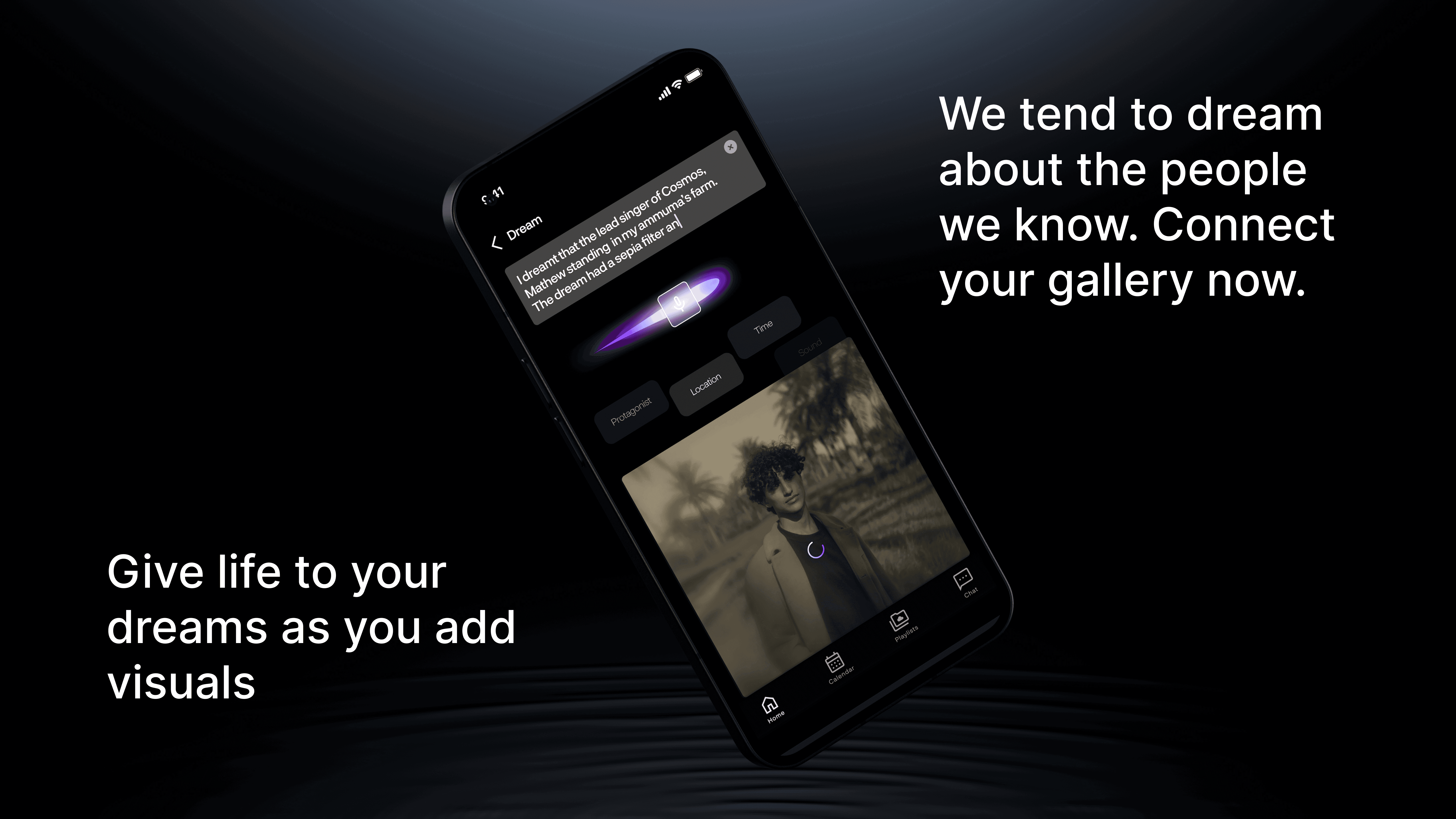
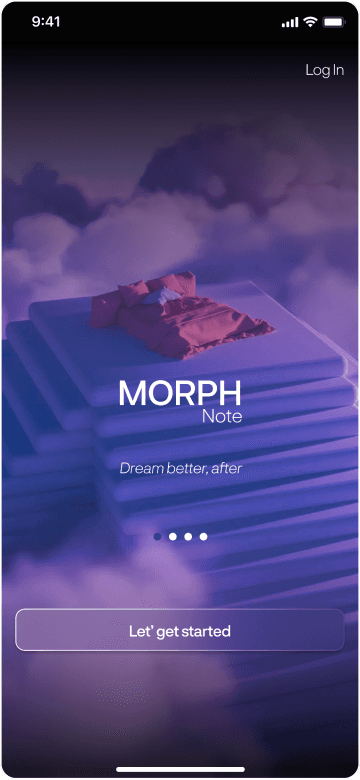
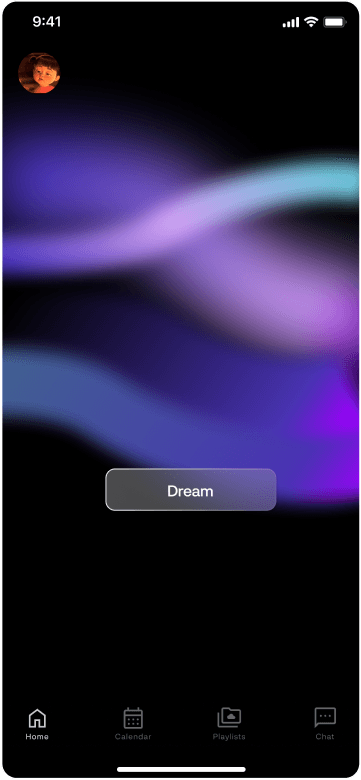
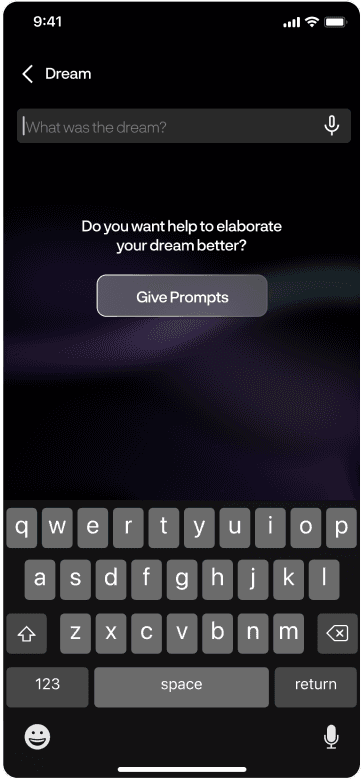
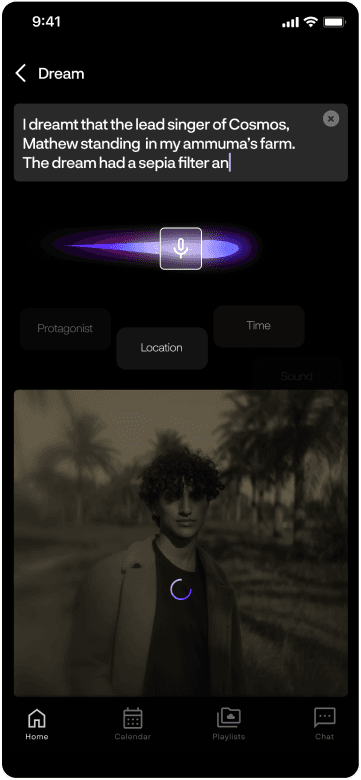
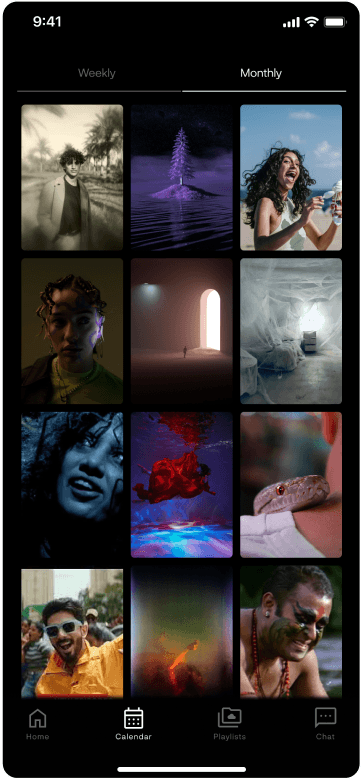
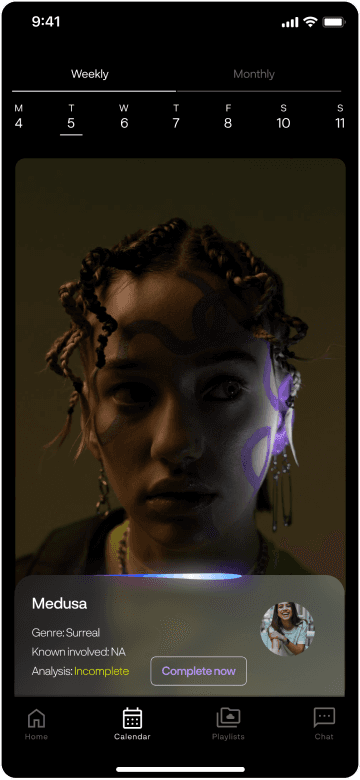
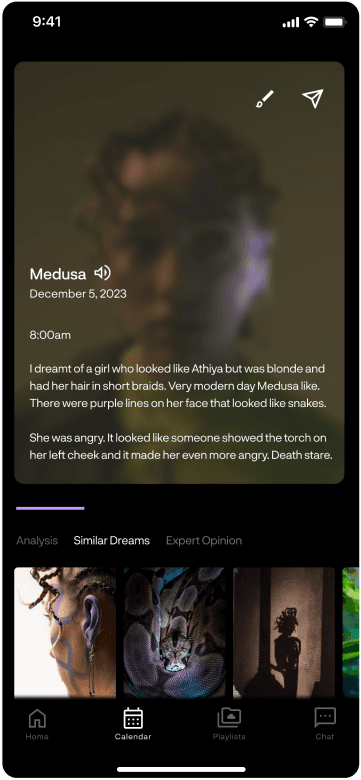
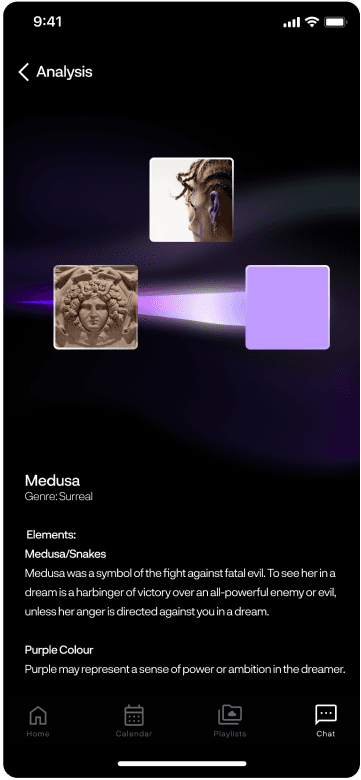
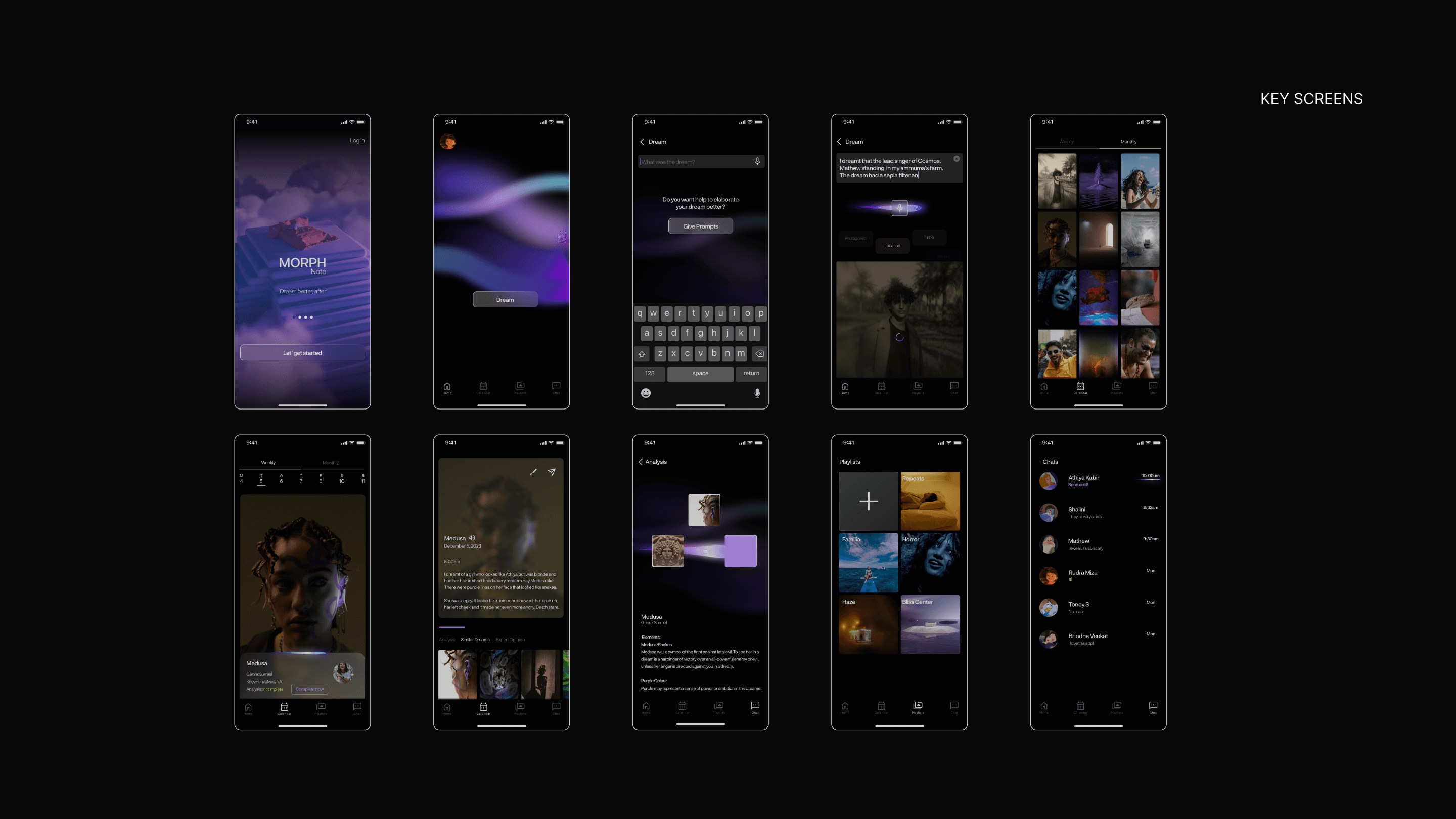
The project revolves designing a digital dream journal that seamlessly integrates intuitive user interfaces, personalised dream categorisation, and AI-driven insights to enhance dream recall and analysis.

The project revolves designing a digital dream journal that seamlessly integrates intuitive user interfaces, personalised dream categorisation, and AI-driven insights to enhance dream recall and analysis.

Role

Designer

Scope

Rapid prototype

Time line

48 hours

Brief

Brief

GIVEN

GIVEN

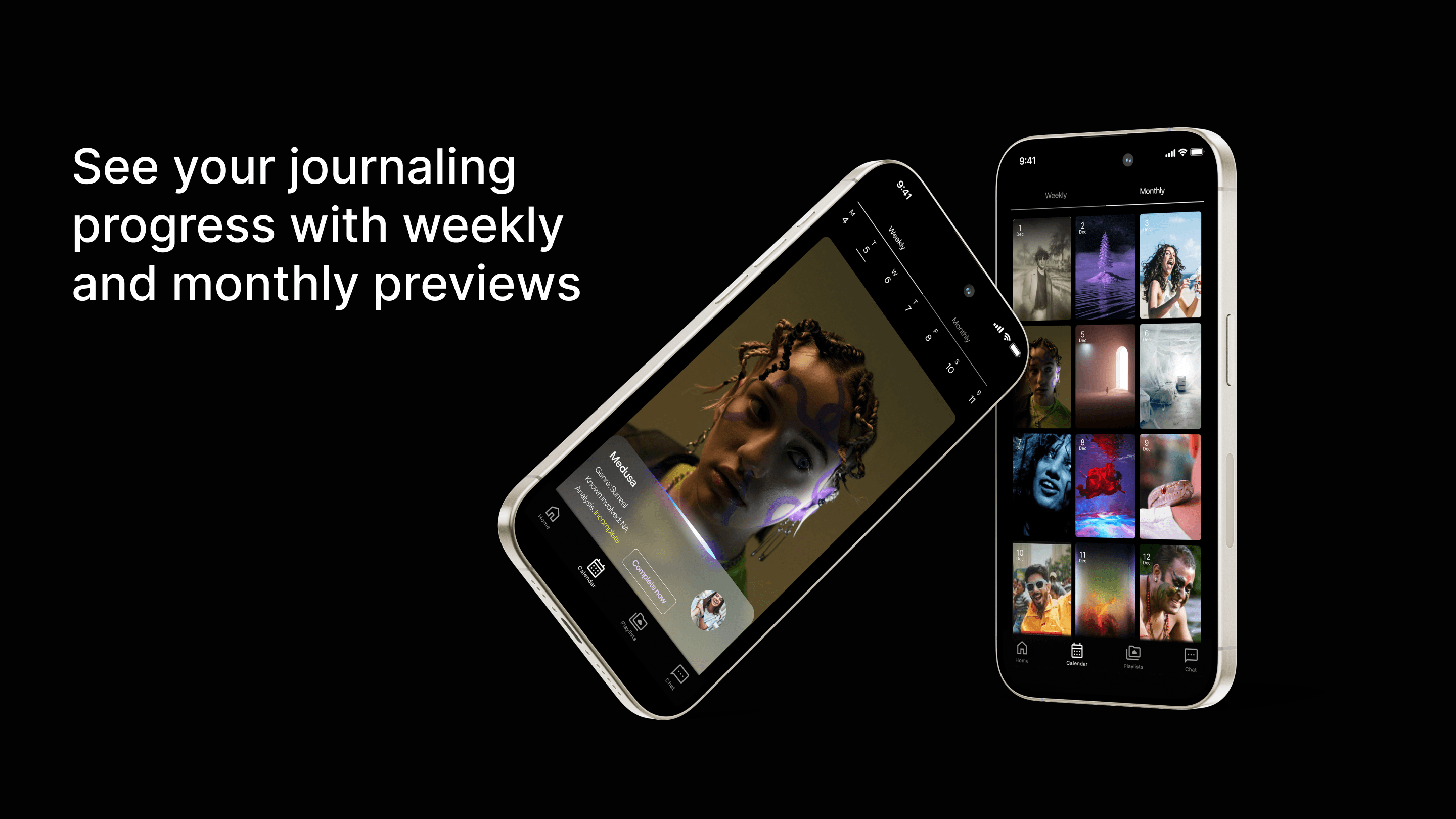
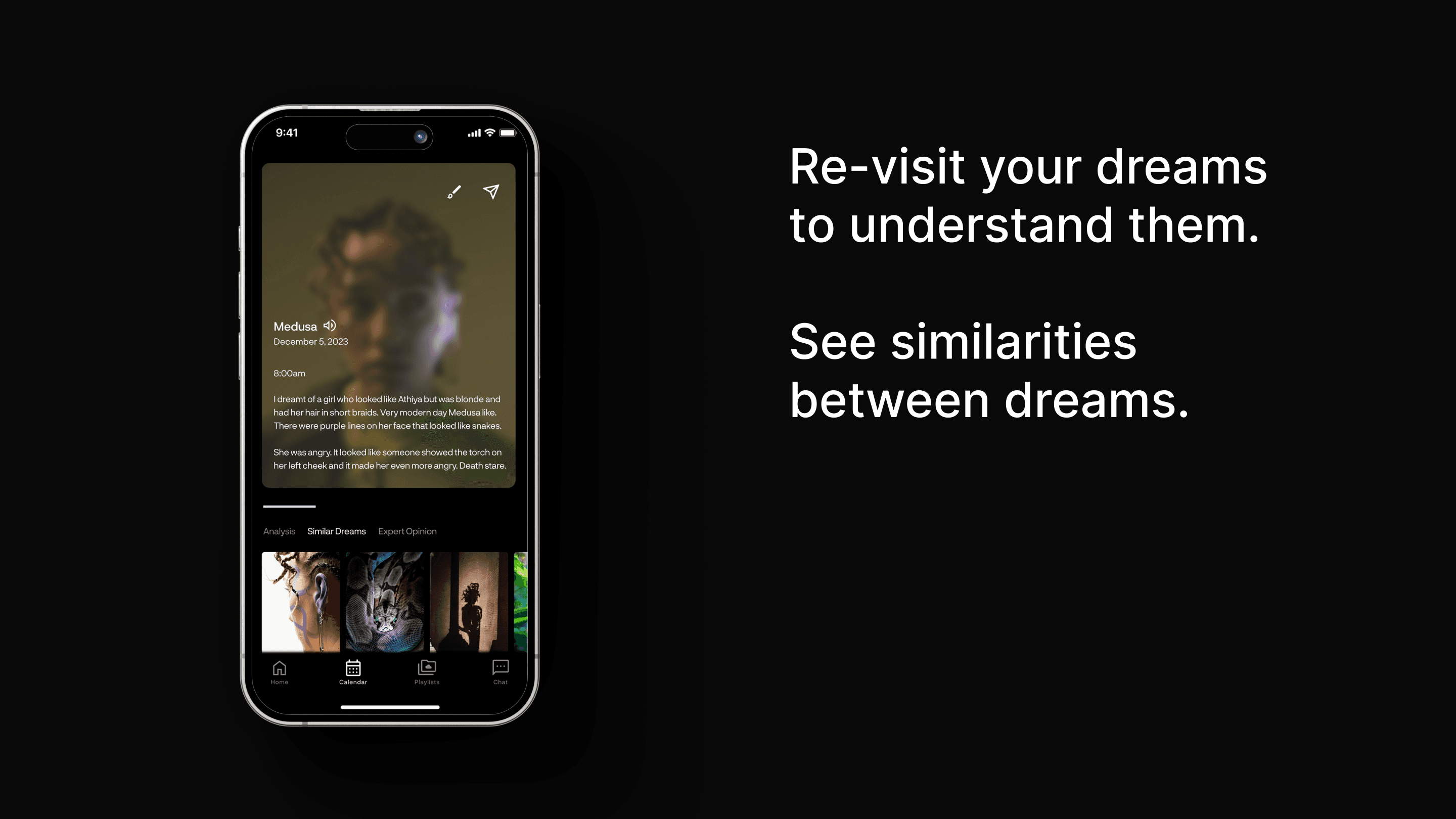
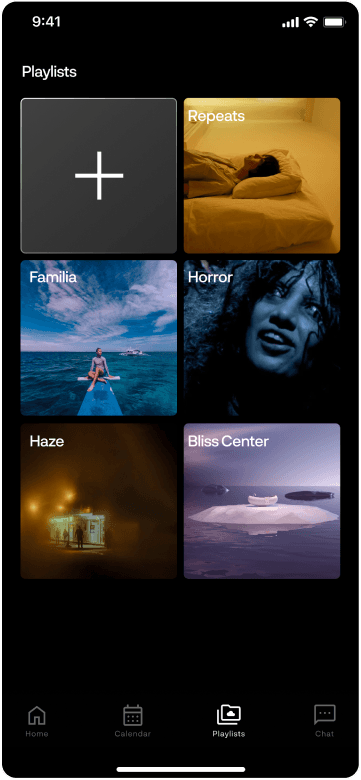
Develop a system enabling the creation of a digital dream journal that accommodates the recording of dreams through text, audio, or visual representations of dream environments. The solution should assist in recognising recurring themes and gaining insights into the patterns.

Develop a system enabling the creation of a digital dream journal that accommodates the recording of dreams through text, audio, or visual representations of dream environments. The solution should assist in recognising recurring themes and gaining insights into the patterns.

Context

Context

Dream journaling isn’t a new behavior. People already write dreams in notebooks, notes apps, or record voice memos immediately after waking. The intent is consistent: capture something before it disappears. But the output rarely holds up.


Entries are fragmented, inconsistent, and difficult to revisit. Over time, they accumulate without forming any meaningful structure.

Who is this for?

Who is this for?

This is not for people trying to build a writing habit.


It’s for people who:

  • wake up with a feeling rather than a story

  • remember spatial or visual fragments, not sequences

  • suspect repetition, but can’t verify it


They’re not lacking discipline. They’re working against the nature of memory itself.

Working with a third-party research agency, we interviewed frequent flight bookers familiar with OTAs, airline websites, and the Air India booking flow. Users found the experience cluttered, with distracting promotions and repeated information often overshadowing key details. Many also struggled to track their progress through the journey, leading to uncertainty and reduced confidence while booking.

Insights from research

Insights from research

Dreams are imagistic, not linguistic

National Institutes of Health

They are constructed from visual scenes, spatial distortions, and affective states rather than structured narrative.

Patterns take time to understand

Cleveland Clinic

Individuals are poor at detecting recurrence across loosely recorded entries without external structuring.

Recall is fragile and time- sensitive

Sleep Foundation

Memory of dreams decays rapidly after waking unless externalized immediately.
Opportunity

Opportunity

If recall is unreliable and translation is lossy, then improving input methods (text, voice) is not enough.

The system needs to:

  1. Externalize partial memory quickly

  2. Re-present it in a form that supports recognition

  3. Accumulate structure over time without manual effort

Working with a third-party research agency, we interviewed frequent flight bookers familiar with OTAs, airline websites, and the Air India booking flow. Users found the experience cluttered, with distracting promotions and repeated information often overshadowing key details. Many also struggled to track their progress through the journey, leading to uncertainty and reduced confidence while booking.